


Advanced, minimally invasive care for an enlarged prostate (BPH).
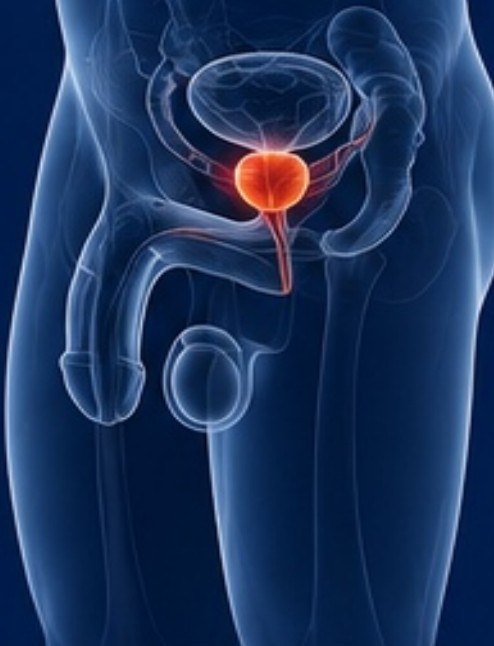
Our Vascular & Embolization Clinic provides complete evaluation and minimally invasive treatment for BPH—relieving urinary symptoms, preserving quality of life, and avoiding surgery.
Prostate Artery Embolization (PAE)
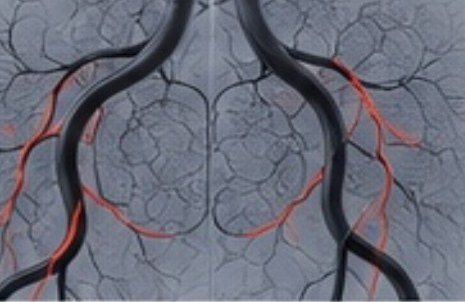
A proven, image-guided procedure that reduces blood flow to the enlarged prostate—causing it to shrink over time and relieving pressure on the urethra.
COMMON SYMPTOMS OF BPH
Frequent urination, especially at night
Weak or interrupted urine stream
Difficulty starting urination
Urgent need to urinate
Feeling that the bladder is not fully empty
Dribbling after urination
Ideal Candidates
Men with moderate to severe BPH symptoms
Not finding relief from medications
Want to avoid surgery, catheters, or incisions
Concerned about sexual side effects
A large prostate or other health conditions that increase surgical risk
A Complete Approach to Care
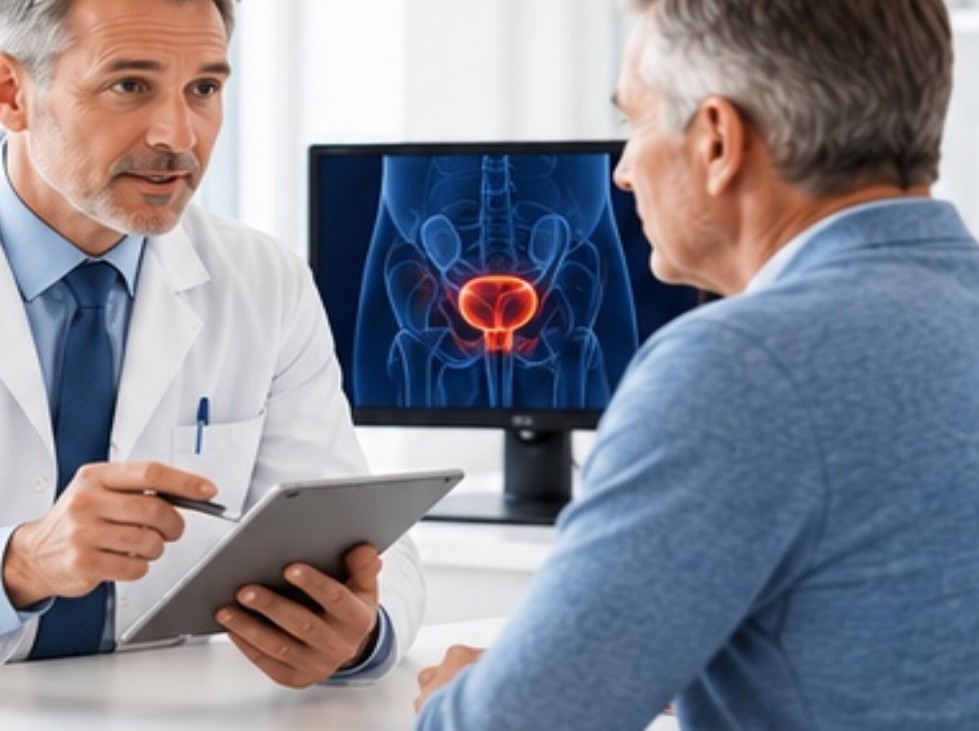
Thorough Workup
Detailed history and symptom assessment
Physical exam and prostate evaluation
Review of PSA and labs
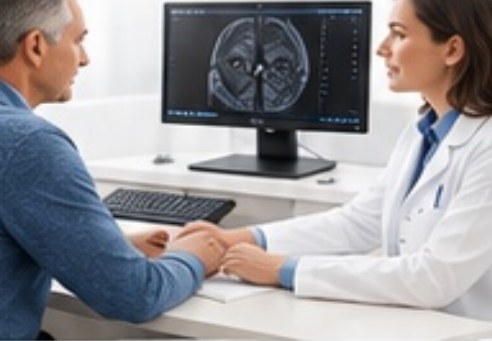
Imaging (MRI or CT) to determine prostate size and anatomy
Personalized treatment recommendation
Personalized Management
Minimally invasive option with PAE
Medication adjustment and optimization
Coordinate care with urology and primary care providers
Lifestyle guidance for urinary health
Ongoing support and follow-up
Minimally Invasive Treatment
Microscopic particles reduce blood flow to the prostate
Prostate gradually shrinks over weeks to months
Relieves pressure on the urethra
Outpatient procedure
Preserves sexual function
Go home the same day
Better Outcomes. Better Quality of Life.
Significant improvement in urinary symptoms
Improved sleep and day-to-day comfort
Preserves sexual function
Minimally invasive = less pain, less downtime
Return to normal activities quickly
Our Process
ConsultWe listen to your symptoms and discuss your goals.
ImagingAdvanced imaging maps your prostate and blood vessels.
PlanA personalized treatment plan is created.
EmbolizeMinimally invasive procedure, when indicated.
RecoverMost patients return to normal activities within 1–2 days.
ImproveSymptoms improve within weeks and continue to get better.
Early Relief. Lasting Results.
Timely treatment can reduce symptoms, improve quality of life, and prevent complications.
We Partner With You
We’re here to support you and your patients every step of the way.