
Gastrointestinal Cancer

Available ProvidersView Providers
Available LocationsView Locations

ONCOLOGY

What Is Gastrointestinal (GI) Cancer?

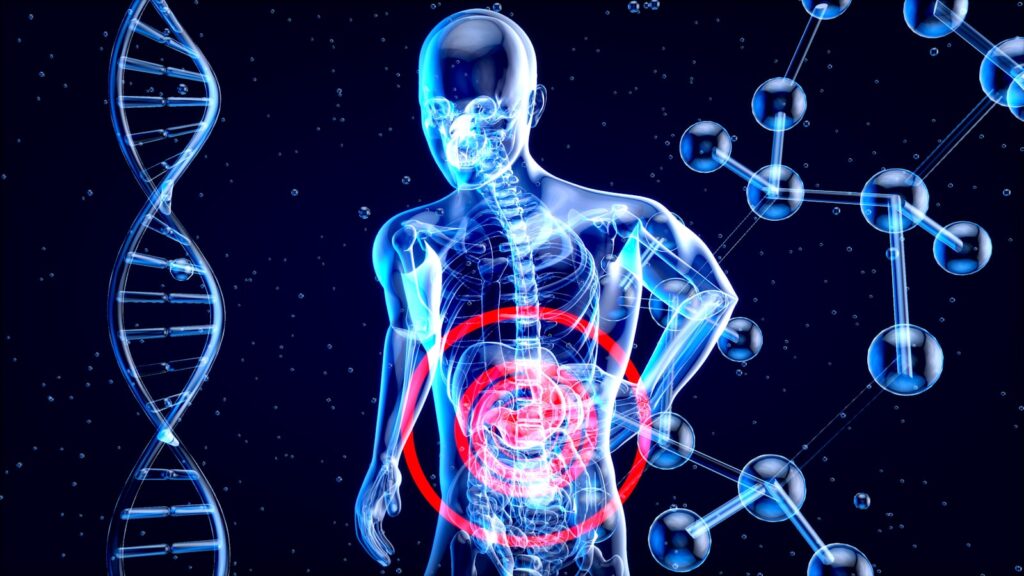
Gastrointestinal cancer, alternatively known as digestive tract cancer, arises within the GI tract. This extensive tract commences at the esophagus, the conduit for food from the mouth to the stomach, and culminates at the anus, where waste is expelled from the body.

Primary GI cancer originates within the GI tract itself, while metastatic gastrointestinal cancers originate in the GI tract and subsequently disseminate to other parts of the body.

Causes and Impact of Gastrointestinal Cancer

Causes: The exact cause of gastrointestinal cancer is not clear. However, certain risk factors such as excessive alcohol intake, smoking, advanced age, diet rich in animal fat and salt, poorly preserved food and obesity may increase your risk of developing gastrointestinal cancer.

Impact: Gastrointestinal cancer significantly impacts your quality of life. It not only affects you physically, but also emotionally. Pain, fatigue, stress and the side effects of treatment become a part of your life.

Anatomy

The gastrointestinal system is a long tube running right through the body, with specialized sections that are capable of digesting and extracting useful components entering the mouth and expelling waste products from the anus. Once food has been chewed and mixed with saliva in the mouth, it is swallowed and passes down the esophagus (food pipe), a long, narrow tube. The food pipe is lined by muscles that expand and contract, pushing food into the stomach.

The stomach secretes acid and other digestive enzymes for digestion and stores food before it enters the intestine. The liver is the main organ of metabolism and energy production. It produces bile, which is stored in the gallbladder, and also stores iron, vitamins and trace elements. The pancreas, located behind the stomach, produces enzymes and hormones that aid in digestion and metabolism. Once food has been mulched and partially digested by the stomach, it is pushed into the duodenum (first part of the small intestine). Secretions of the gallbladder and pancreas empty into the small intestine, the site where most of the chemical and mechanical digestion and virtually all of the absorption of useful materials takes place. The large intestine is the last part of the digestive tube and the location of the terminal phases of digestion, where waste is processed and stored in the rectum, and excreted through the anus.

Symptoms

Symptoms of gastrointestinal cancer may include abdominal pain, discomfort or tenderness, change in shape, frequency or consistency of bowels, blood in stool, bloating, vomiting, nausea, fatigue, loss of appetite and unintentional weight loss.

Diagnosis

Your doctor diagnoses gastrointestinal cancer by performing a thorough physical examination and reviewing your medical history. Certain tests may be ordered to assist and confirm the diagnosis, which includes:

  • <strong>Blood tests:</strong> The tests include full blood count and tumor marker tests.
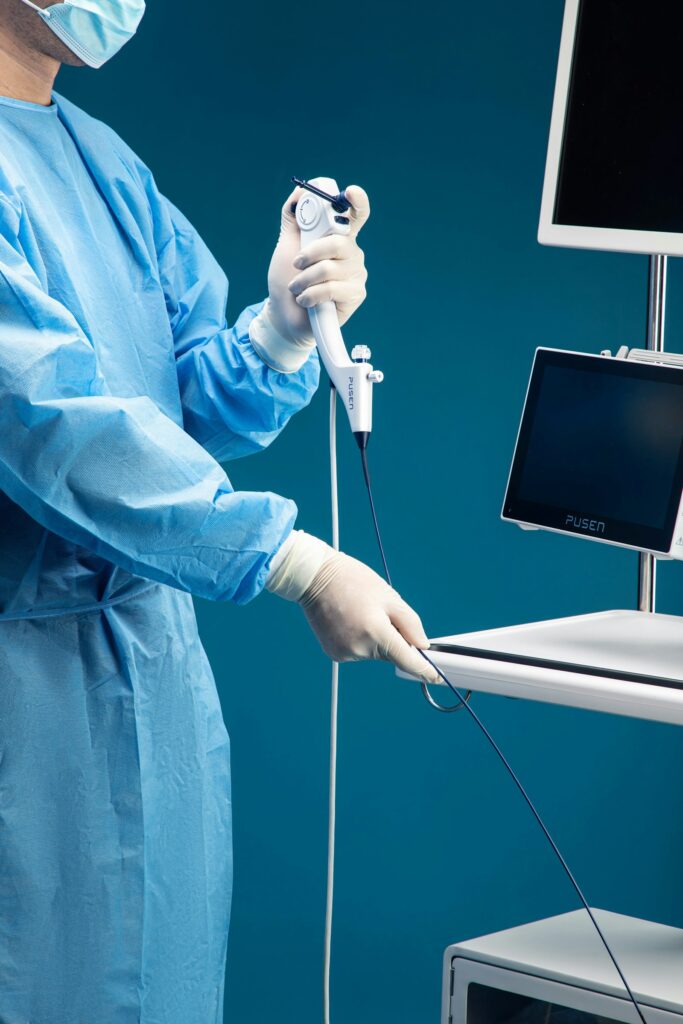
  • <strong>Upper endoscopy:</strong> Upper endoscopy is a procedure in which a long, thin flexible tube with a tiny camera is passed through your mouth and down your throat to examine the lining of the esophagus, stomach and duodenum.
  • <strong>Fecal test:</strong> Fecal samples are examined under the microscope for abnormalities.
  • <strong>Barium swallow:</strong> You are given a liquid that contains barium to swallow. X-ray imaging can detect this barium, which coats the walls of the esophagus and stomach, making abnormalities visible more clearly.
  • <strong>Biopsy:</strong> A small sample of tissue is removed and examined under the microscope for abnormal cells.
  • <strong>Colonoscopy:</strong> A colonoscope, a long narrow tube with a camera is inserted from the rectum to examine your colon.

These tests help identify the location and stage (stage 0 to stage 4, in order of severity) of cancer, which is important for designing the treatment plan.

Providers Offering This Service

David P Ellent, MD

David P Ellent, MD

Board Certified MD, Medical Oncology (ABIM) Education: Fellowship – University of Texas M.D. Anderson Cancer Clinic Heavily involved in drug research and development. Publications: Cyclooxygenase-2 Derived Prostaglandin E2 Protects Mouse Embryonic Stem Cells from Apoptosis(p 1096-1103) Jun-Yang Liou, David P. Ellent, Jennifer Goldsby,Bor-Sheng Ko, Nena Matijevic,Jaou-Chen Huang, Kenneth.K. Wu DOI: 10.1634/stemcells.2006-0505. Gemtuzumab ozogamicin (Mylotarg) Prior to […]

Read More
Saleha Sajid, MD

Saleha Sajid, MD

Saleha Sajid, MD, treats cancer and blood disorders as a Board-Certified Medical Oncologist.  Dr. Sajid excels at providing compassionate high-quality care to individuals with a focus on personalized treatment, evidence-based medicine, and care coordination. Dr. Sajid works as part of a multidisciplinary team of surgical oncologists, radiation oncologists, reconstructive surgeons, and clinical trial investigators to […]

Read More
Jonathan Lu, MD

Jonathan Lu, MD

Dr. Jonathan Lu was born and raised in New Orleans, LA,  but he found his love for Texas while attending Rice University for his undergraduate education. Dr. Lu then completed medical school at the University of Queensland in Australia. He further continued his medical training in New Orleans, LA where he completed his Internship and Residency in Internal Medicine followed by […]

Read More
Talha Aijaz, MD

Talha Aijaz, MD

Dr. Aijaz is a board-certified physician in Internal Medicine and Medical Oncology. He is a compassionate and a highly respected hematologist and oncologist, dedicated to the diagnosis, treatment, and care of patients with hematologic and oncologic conditions. He earned his MBBS degree from Allama Iqbal Medical College in Pakistan, followed by a Master of Science […]
Read More

Locations Offering This Service

Baytown

832-784-8787

832-514-2579

1626 W. Baker Road Baytown, TX 77521

Compassionate Walk-In Clinic & Best Primary Care Physician Practice in Baytown, TX

Creekside

281-440-5300

26940 Kuykendahl Rd, Suite 200, The Woodlands, TX 77375

Comprehensive Primary Care Services for Families in Creekside Park, Tomball, TX

Huntsville – I-45 S

281-975-1000

643 I-45 S. Building A Huntsville, TX 77340

Expert Cancer Center & Comprehensive Oncology Clinic in Huntsville, TX

Huntsville – Medical Center Pkwy Ste 600

936-435-9200

100 Medical Center Pkwy, Suite 600 Huntsville, TX 77340

Kingwood – Professional Drive Ste 140

281-975-1000

22751 Professional Drive, Suite 140 Kingwood, TX 77339

Compassionate Cancer Care in Kingwood, TX, with Personalized Oncology Treatment Plans

Kingwood – West Lake

281-440-5300

1710 W. Lake Houston Pkwy, Suite 260, Kingwood, TX 77339

Memorial City

281-975-1000

10497 Town and Country Way Ste 360, Houston, TX 77024

Rice Village

2416 W Holcombe Blvd, Houston, TX 77030

Spring

281-440-5300

2255 East Mossy Oaks Road Suite 500 Spring TX, 77389

The Heights

281-975-1000

427 W 20th St Suite 220 Houston, TX 77008

The Woodlands – Six Pines

281-440-5300

8845 Six Pines Dr. Suite 200 Shenandoah, TX 77380

Tomball

832-761-4411

281.205.0336

24721 Tomball Pkwy Tomball, TX 77375

Your One-Stop Urgent Care Clinic in Tomball Pkwy, TX

West Houston

713-933-6470

713.933.6471

2610 West Sam Houston Parkway South, Suite 100, Houston, TX 77042

Willis

281-975-1000

9851 FM 1097 Willis, TX 77318

Genesis Medical Group location Find a Location Near You Our Locations Request an appointment with a Genesis provider Request an Appointment Request Appointment